Ultra Kara-ori Japanese Kimono Journal Lined and Unlined - PAPERBLANKS 9781439792995, 9781439792988
$23.95
Sold Out
FREE Shipping on all US orders over $35
KARA-ORI Item no. 9781439792995 & 9781439792988
Japanese Kimono
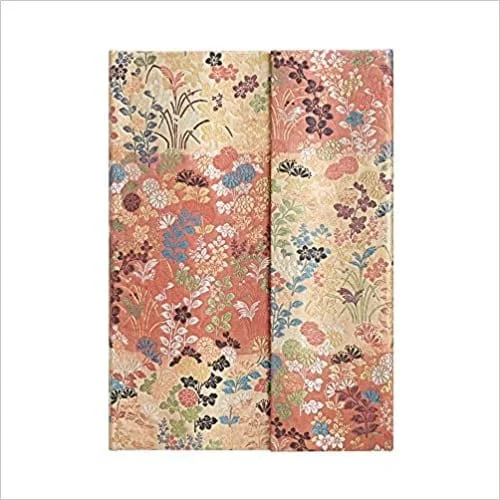
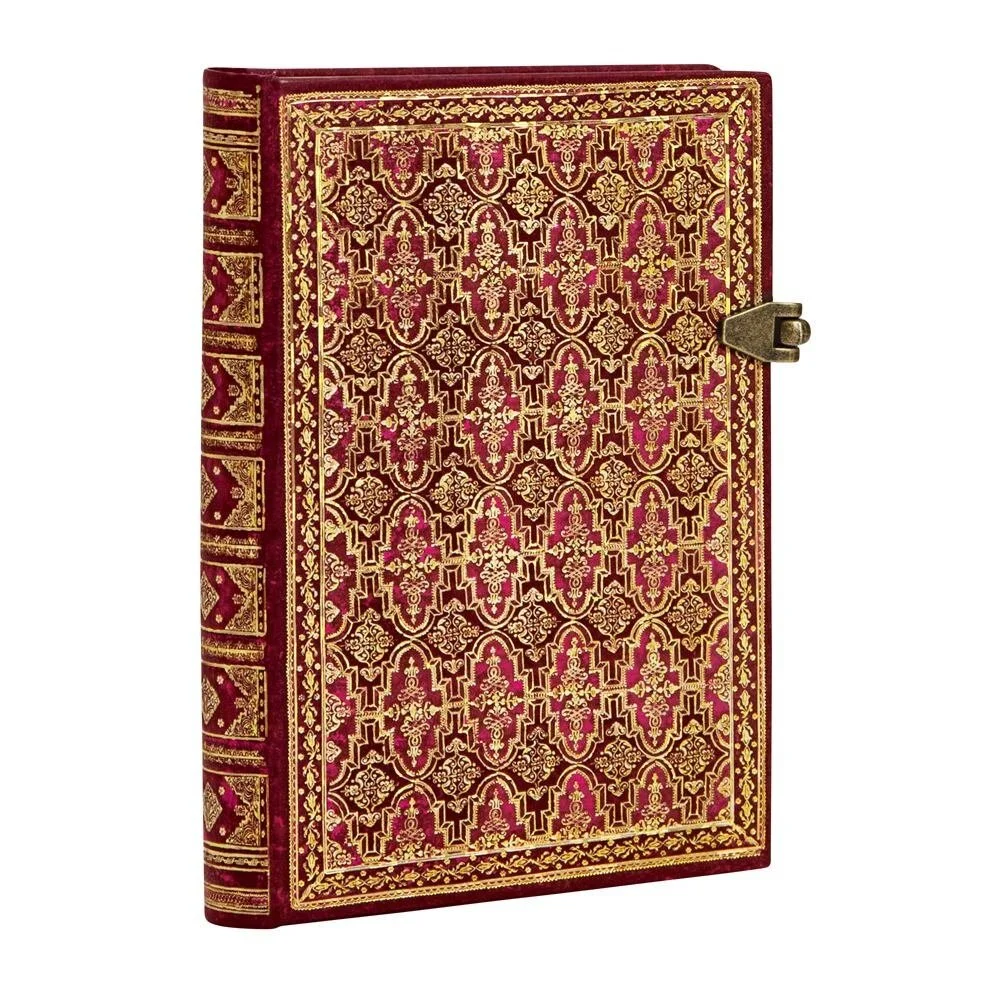
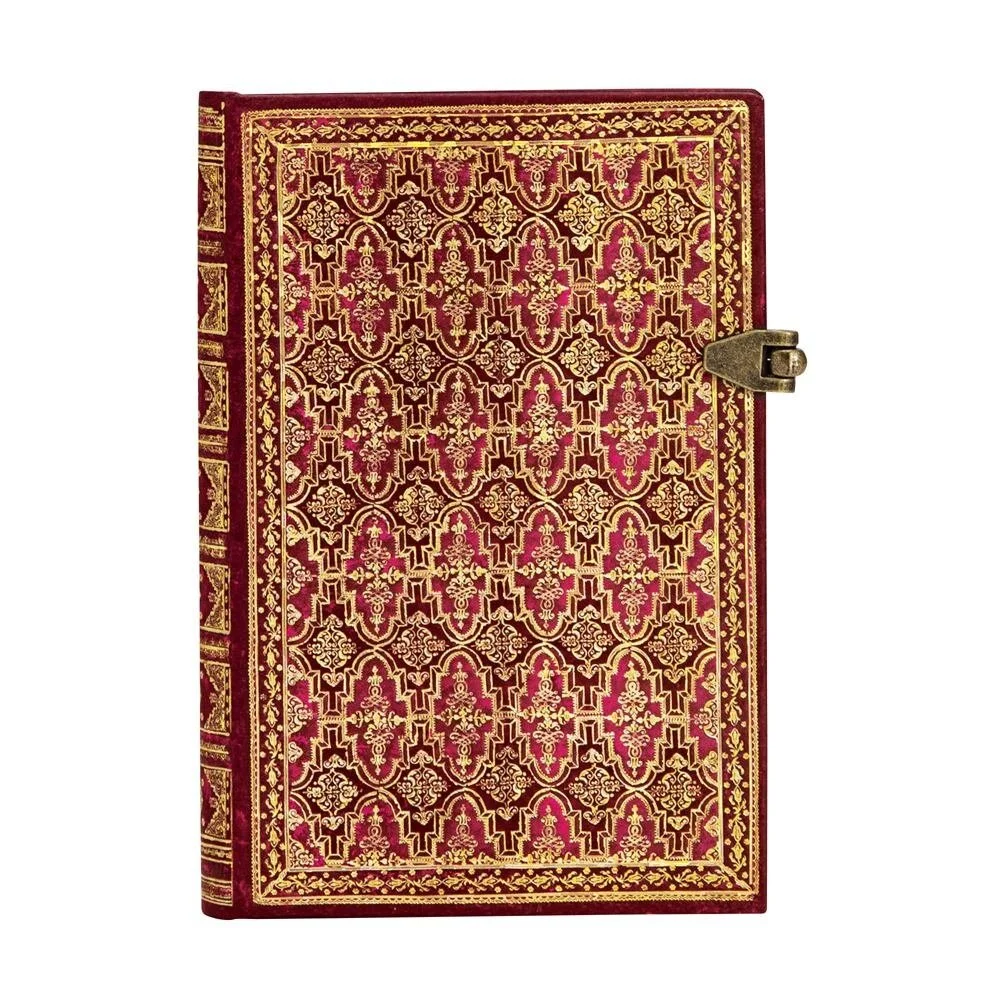
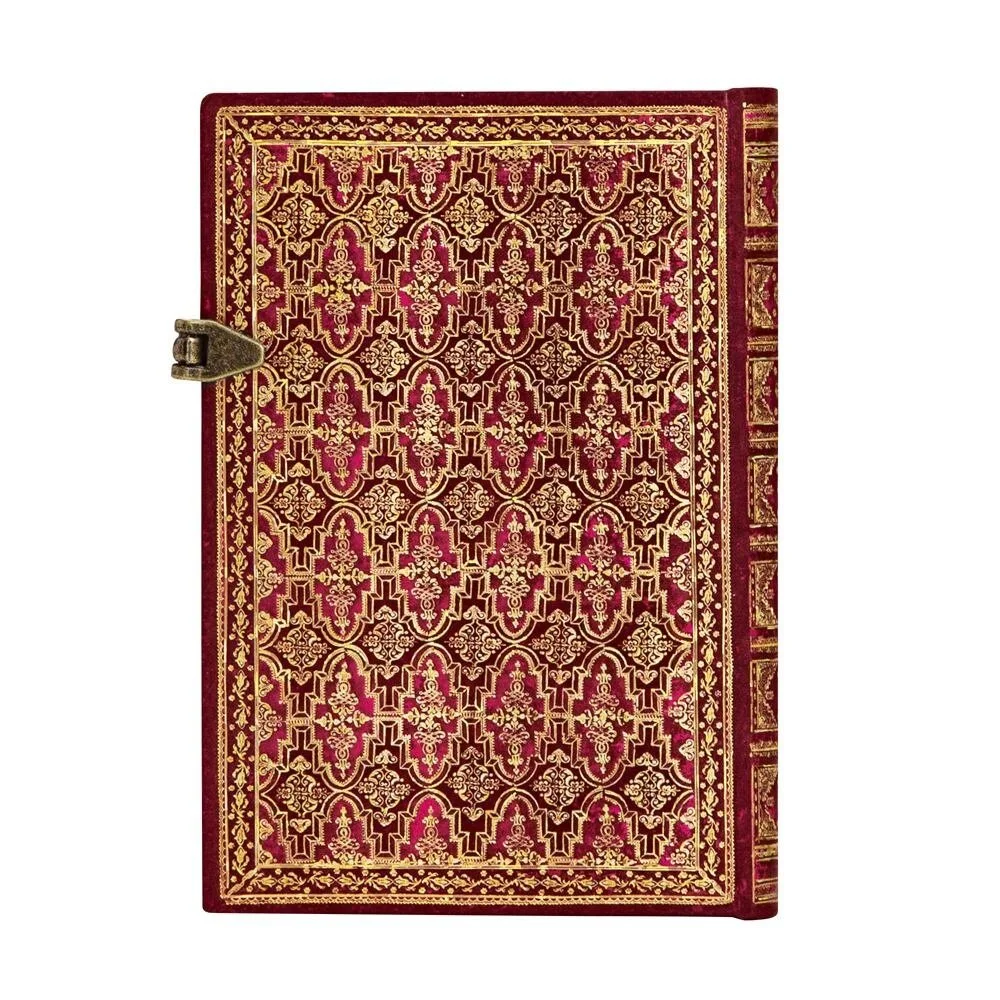
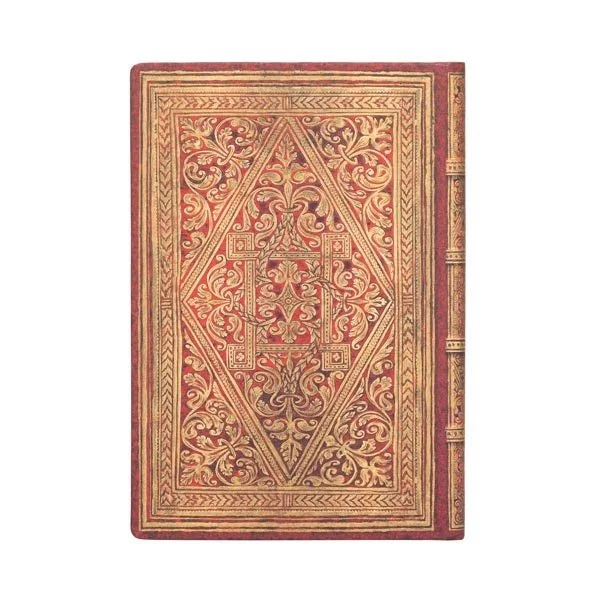
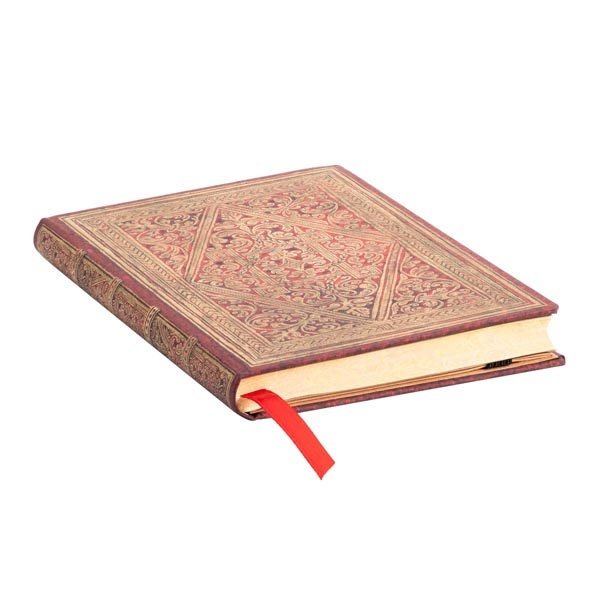
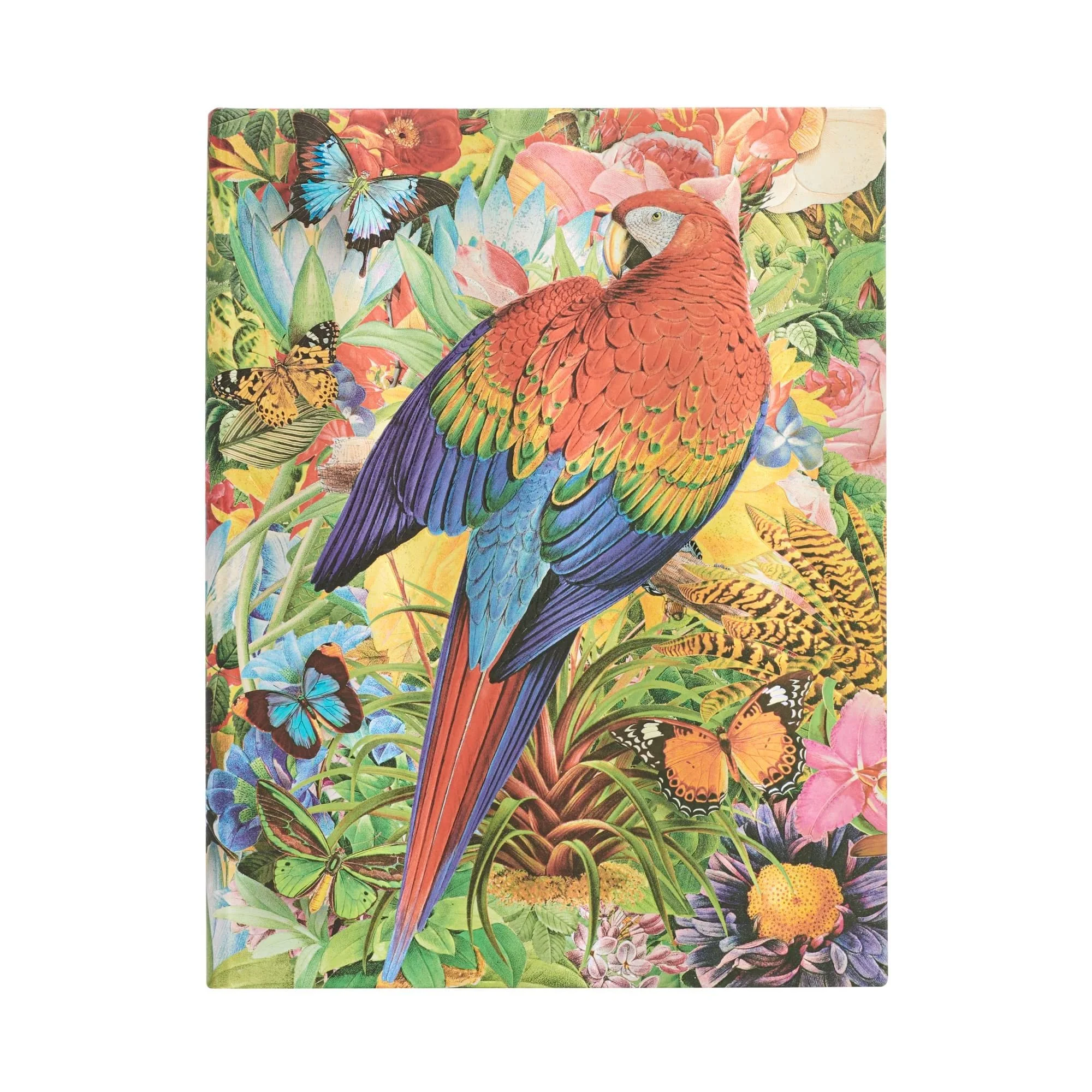
Showcasing silk dyed with beni and safflower, and lacquered in gold, this kimono design dates to the Edo period (1615–1868), when it was used as a costume for the theatrical style known as Noh. Karaori refers specifically to the exquisitely embroidered traditional woman’s kimono that Noh theatre was known for.
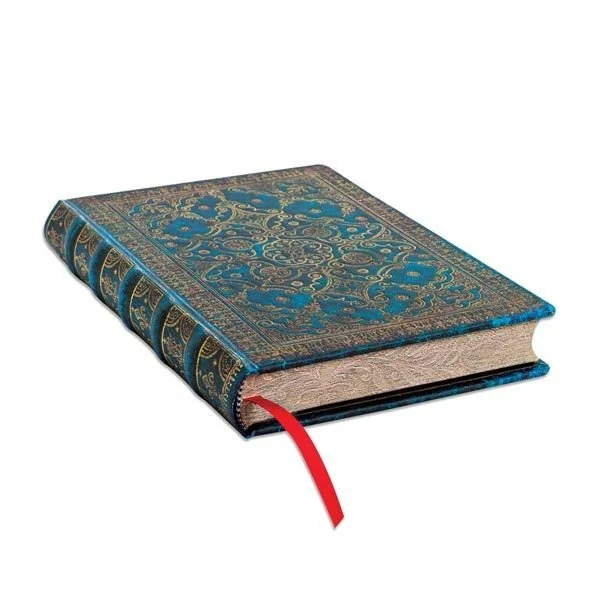
Product Information FORMAT: Ultra SIZE: Width: 180mm (7") Height: 230mm (9") Depth: 22mm (¾") INTERIOR; Lined SPACE BETWEEN LINES: 8.11mm LINES PER PAGE: 25 PAGE COUNT: 144 Pages CLOSURE: Wrap COLOUR: Orange GSM (PAPER WEIGHT) 120 COVER: Hardcover
EDGE PRINTING: No BINDING TYPE: Smyth Sewn POUCH TYPE: Memento Pouch INTERIOR PAPER: Custom-Designed Laid Paper RIBBON MARKERS: 1
MORE FEATURES 100% recycled binder boards Decorative printed cover paper FSC-certified text paper Threaded stitching and glue, as needed Acid-free sustainable forest paper
About This Design Original Art: Karaori costume design for Noh Theatre Era: 18th century Region: Japan
Harmonious flowers, balanced colours and highly precise details create the eye-catching, high-impact effect of this Japanese kimono design.
Originally designed as a costume for the theatrical style known as Noh, our Kara-ori pattern leaves little doubt why Noh is derived from the words for “skill” and “talent.” With silk and gold lacquered stripes, this is one of the best examples of Japanese textile design we have found. It comes from the Edo period (1615–1868) when Noh theatre, known for the sumptuousness of its costumes, was at its height.
Noh theatre is one of the world’s oldest performing arts and has been handed down through generations of Japanese composers and performers. The plots draw from legend, history and contemporary events and are structured around song and dance. Though the thematic tone is often poetic yet monotonous, the costumes are anything but. In fact, Noh is often referred to as “mask drama” due to the importance placed on masks and costumes within the form.
The term karaori, for which this design is named, refers specifically to the exquisitely embroidered traditional woman’s kimono like the one reproduced here. Karaori are regarded as some of the most beautiful theatrical costumes in the world, thanks in part to the Japanese aristocracy’s embrace of the theatre style – as both viewers and performers.
Though Noh is a Japanese art, karaori means “Chinese weave,” as the fabric has its roots in China. And like the costume reproduced in our Peking Opera Embroidery series, this too would have been crafted for a male performer playing a female role. Both the material itself and the pattern shown would have helped tell the story of the character. In this case, the stiff brocade technique created a thick, glossed fabric that would not drape easily – this was used to create an angular effect evoking the spirit of a noblewoman. The flowering grasses depicted served to emphasize the woman’s femininity.
By the Meiji period (1868–1912) Noh had reached such heights that it was introduced overseas, influencing artists far and wide. William Butler Yeats, for example, wrote an essay on Noh in 1916 that he titled “Certain Noble Plays of Japan.” And even more contemporarily, David Byrne of the Talking Heads discovered Noh while touring Japan and, according to American music critic Josh Kun, was inspired by the highly stylized, stiff costumes to “design the oversize business suit that became a visual staple of Talking Heads live shows.”
Today there are more than 70 Noh theatres throughout Japan and it has been deigned an Intangible Cultural Heritage by UNESCO. This beautiful example of karaori costuming can be found at the Art Institute of Chicago as part of the Otto C. Deering gift. It is our great pleasure to work with such a gorgeous and culturally important piece of history to craft this Paperblanks design.
Interior:
FREE Shipping on all US orders over $35
KARA-ORI Item no. 9781439792995 & 9781439792988
Japanese Kimono
Showcasing silk dyed with beni and safflower, and lacquered in gold, this kimono design dates to the Edo period (1615–1868), when it was used as a costume for the theatrical style known as Noh. Karaori refers specifically to the exquisitely embroidered traditional woman’s kimono that Noh theatre was known for.
Product Information FORMAT: Ultra SIZE: Width: 180mm (7") Height: 230mm (9") Depth: 22mm (¾") INTERIOR; Lined SPACE BETWEEN LINES: 8.11mm LINES PER PAGE: 25 PAGE COUNT: 144 Pages CLOSURE: Wrap COLOUR: Orange GSM (PAPER WEIGHT) 120 COVER: Hardcover
EDGE PRINTING: No BINDING TYPE: Smyth Sewn POUCH TYPE: Memento Pouch INTERIOR PAPER: Custom-Designed Laid Paper RIBBON MARKERS: 1
MORE FEATURES 100% recycled binder boards Decorative printed cover paper FSC-certified text paper Threaded stitching and glue, as needed Acid-free sustainable forest paper
About This Design Original Art: Karaori costume design for Noh Theatre Era: 18th century Region: Japan
Harmonious flowers, balanced colours and highly precise details create the eye-catching, high-impact effect of this Japanese kimono design.
Originally designed as a costume for the theatrical style known as Noh, our Kara-ori pattern leaves little doubt why Noh is derived from the words for “skill” and “talent.” With silk and gold lacquered stripes, this is one of the best examples of Japanese textile design we have found. It comes from the Edo period (1615–1868) when Noh theatre, known for the sumptuousness of its costumes, was at its height.
Noh theatre is one of the world’s oldest performing arts and has been handed down through generations of Japanese composers and performers. The plots draw from legend, history and contemporary events and are structured around song and dance. Though the thematic tone is often poetic yet monotonous, the costumes are anything but. In fact, Noh is often referred to as “mask drama” due to the importance placed on masks and costumes within the form.
The term karaori, for which this design is named, refers specifically to the exquisitely embroidered traditional woman’s kimono like the one reproduced here. Karaori are regarded as some of the most beautiful theatrical costumes in the world, thanks in part to the Japanese aristocracy’s embrace of the theatre style – as both viewers and performers.
Though Noh is a Japanese art, karaori means “Chinese weave,” as the fabric has its roots in China. And like the costume reproduced in our Peking Opera Embroidery series, this too would have been crafted for a male performer playing a female role. Both the material itself and the pattern shown would have helped tell the story of the character. In this case, the stiff brocade technique created a thick, glossed fabric that would not drape easily – this was used to create an angular effect evoking the spirit of a noblewoman. The flowering grasses depicted served to emphasize the woman’s femininity.
By the Meiji period (1868–1912) Noh had reached such heights that it was introduced overseas, influencing artists far and wide. William Butler Yeats, for example, wrote an essay on Noh in 1916 that he titled “Certain Noble Plays of Japan.” And even more contemporarily, David Byrne of the Talking Heads discovered Noh while touring Japan and, according to American music critic Josh Kun, was inspired by the highly stylized, stiff costumes to “design the oversize business suit that became a visual staple of Talking Heads live shows.”
Today there are more than 70 Noh theatres throughout Japan and it has been deigned an Intangible Cultural Heritage by UNESCO. This beautiful example of karaori costuming can be found at the Art Institute of Chicago as part of the Otto C. Deering gift. It is our great pleasure to work with such a gorgeous and culturally important piece of history to craft this Paperblanks design.